
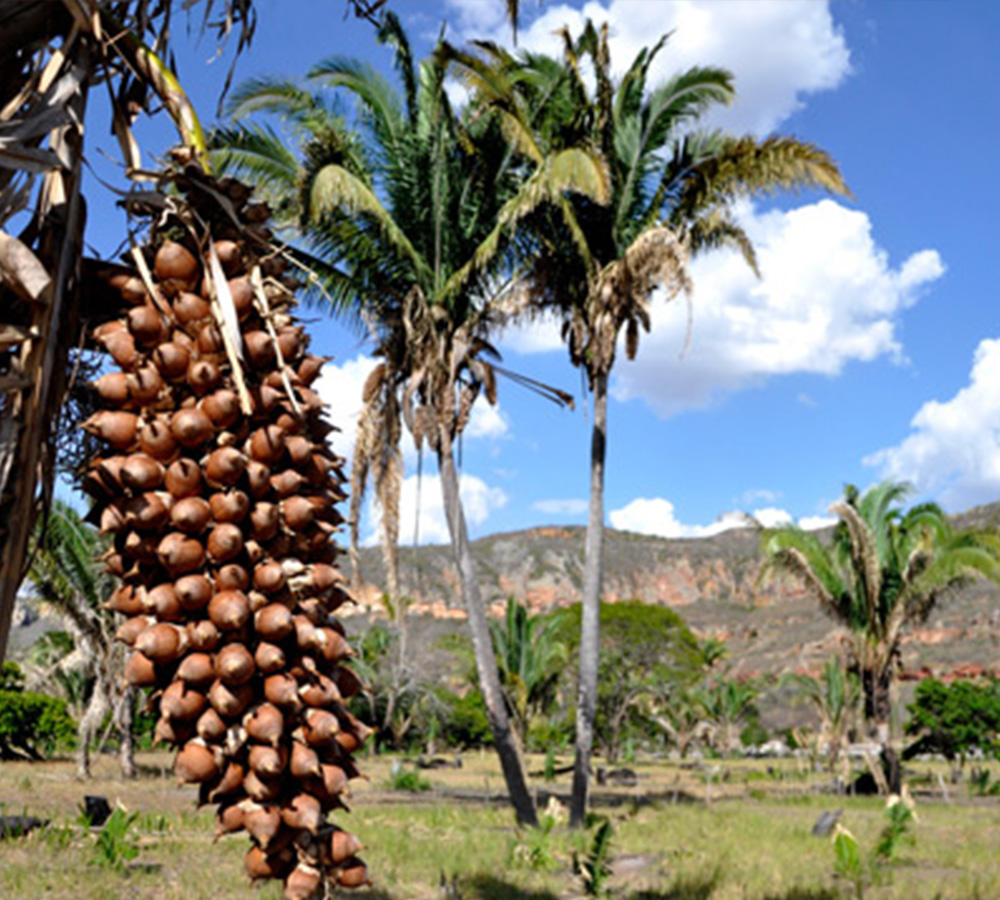

Maranhão holds one of the planet’s largest babassu reserves. Here’s why this Brazilian state is a bioeconomy frontier.
When investors think of Brazilian commodities, they picture soy, coffee or iron ore. Few think of babassu, and even fewer think of Maranhão. That is starting to change.
Maranhão sits at the meeting point of the Amazon and the Cerrado, and it holds one of the largest concentrations of babassu palms in the world. [VERIFY: cite area/hectares of babassu groves in Maranhão] This is not a crop that needs to be planted or irrigated; it is a native resource already standing across the landscape, renewing itself season after season.
That combination, enormous natural supply plus a fruit with multiple industrial uses, is what makes the region a genuine bioeconomy frontier. The raw material is abundant, renewable and rooted in the standing forest. What has been missing is the technology and industrial capacity to unlock its full value at scale.
That gap is exactly where companies like BIOASSU operate: turning a regional resource into globally competitive products, and putting Maranhão on the map as a source of sustainable innovation rather than raw commodities alone.