
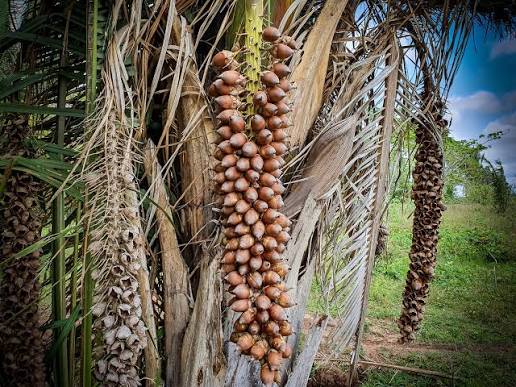

Bioassu is betting that babassu, not an imported monoculture, can put a small city in Maranhão on the map of Brazil’s bioeconomy, while doubling as a legal barrier against deforestation.
Coroatá has watched other Brazilian cities get transformed by agroindustry before. Bioassu’s plan is to make it happen again, but this time the crop driving the growth won’t be an import like soy, it will be babassu, the palm that has grown wild across the region for generations.
From extraction to a seven-product portfolio
The company is backing that ambition with an industrial buildout: a processing capacity of 200 tonnes of babassu per month, built to move the business away from simply extracting raw material and toward a technology-driven portfolio spanning food, cosmetics and energy, including newer additions like activated carbon and the ABAX bioadditive for diesel.
A market opportunity that still needs independent verification
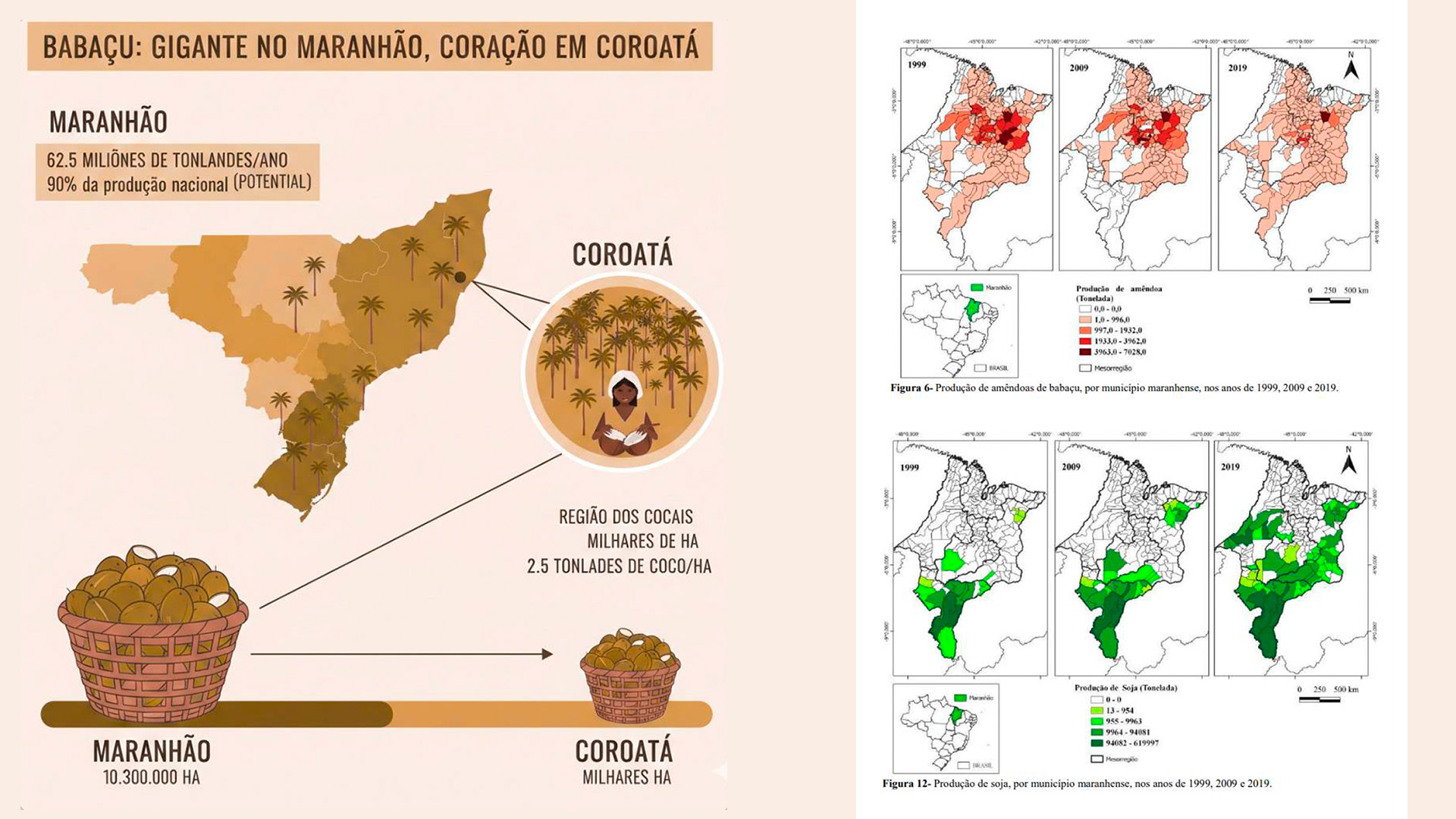
Bioassu’s own estimates put the potential production of babassu almonds in Maranhão at 62.5 million tonnes per year, which the company describes as up to 90% of national output. It values the oil market alone at more than $21 billion in potential opportunity. These are the company’s internal projections, presented in investor materials, not figures independently audited or sourced to a public production dataset, and they are worth treating as a growth thesis rather than an established fact until backed by third-party data.
The other side of the story: protecting the groves that make it possible
None of that industrial ambition works without the forest itself surviving. Bioassu’s own historical data shows why the company is worried: mapping of amendoim de babaçu (babassu almond) production in Maranhão between 1999 and 2019 sits alongside a parallel map of soy production expanding across the same period, the same monoculture pressure the company says threatens the babassu groves it depends on.
The company’s response is to treat forest conservation as a business line, not a cost. That means active legal protection of native babassu forests and the strategic leasing of farmland with areas already preserved, an approach designed to give standing forest a clear economic value so that keeping it standing beats clearing it. Bioassu also points to professionalized forest management, replacing informal extraction practices with structured workplace-safety protocols, as the operational backbone of that strategy.
The company sums up the logic in one line: there will only be a strong industry if the forest stays standing and protected. For Coroatá, that is also the pitch, an agroindustrial hub whose main raw material only exists as long as the forest around it does.
Note: figures on Maranhão’s total production potential and the projected oil market size are Bioassu’s own estimates from investor materials and are flagged here as unverified until a public source confirms them.