
ESG & IMPACT
Impact you can measure, in a forest that stays standing
Environmental, social and governance results from an integrated babassu bioindustry, reported for 2024–2025.
A circular bioeconomy model for the Mata dos Cocais
Bioassu’s biorefinery was designed for 100% use of the babassu coconut’s biomass, turning residue into high-value solutions and eliminating waste. Prioritizing the purchase of babassu in natura discourages deforestation and burning, incentivizing communities to keep the forest standing as a recurring source of income.
Native babassu groves preserved
Direct preservation of native babassu groves through the valorization of the extractive chain. Hectare figure to be confirmed before publishing.
186+ tonnes of biomass transformed
More than 186 tonnes of biomass already transformed into bioproducts, an output that grows with every new supplying community.
20,109 t CO2e avoided, independently validated
ABAX, Bioassu’s bioadditive for diesel, was validated by the Climate KIC International Foundation under ISO 14040/14044 standards, with a cumulative avoided-emissions potential of 20,109 t CO2e projected for 2025–2029.
Figures in t CO2 eq. See the Agribusiness page for the full ABAX performance and validation data.
Community strengthening and productive inclusion
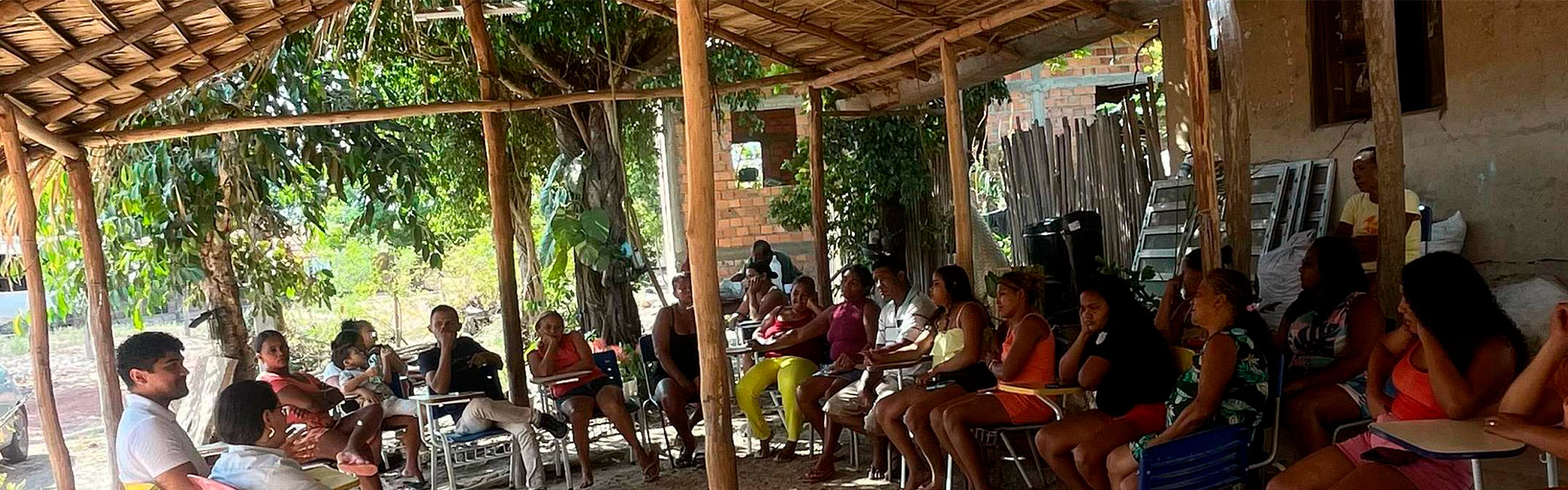
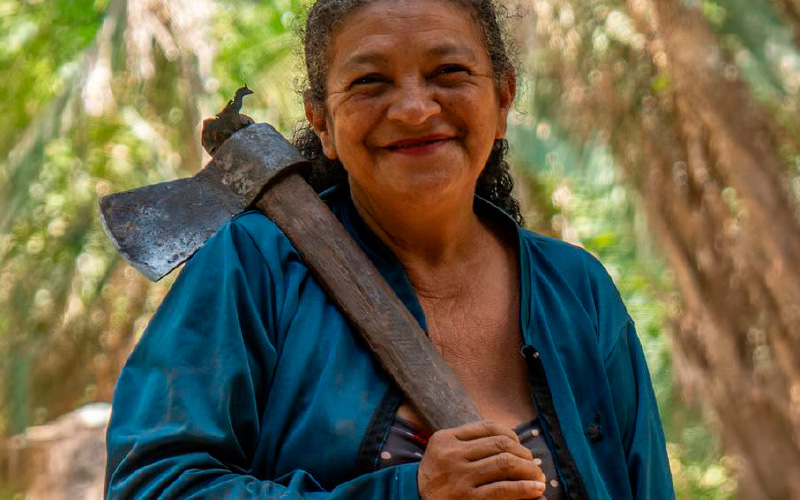
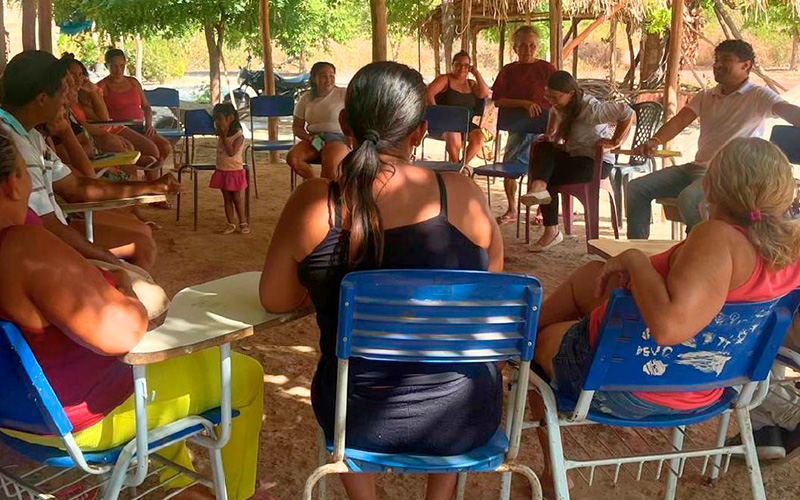
Bioassu’s work in the Mata dos Cocais is built on trust: active presence in the territory, dialogue circles and visits connecting the team to babassu-breaking women, family farmers and local leaders.
100+ people reached
More than 100 people reached through dialogue and capacity-building actions.
25 families integrated
25 quebradeira families integrated into the formal supply chain.
Up to 40% more income
An average income increase of up to 40% recorded among partner families.
CAPACITY BUILDING
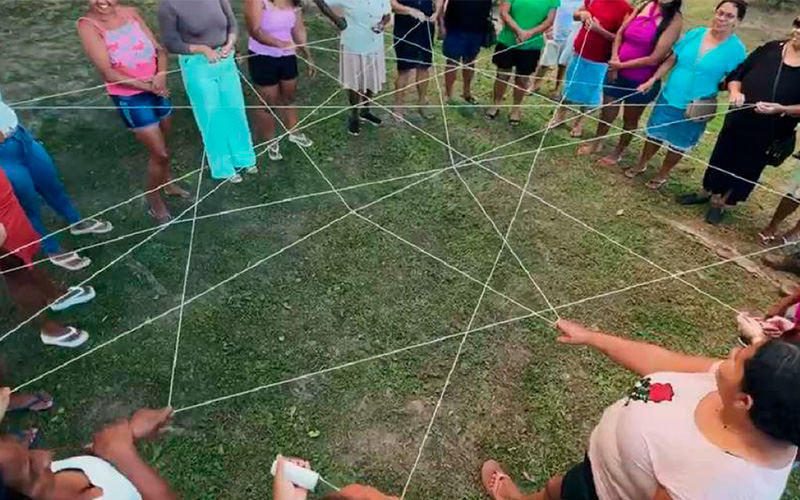
The “Fortalecendo Caminhos Coletivos” training on associativism and cooperativism among babassu-breaking women drew 34 participants, exceeding a target of 30, covering collective organization, commercialization and access to public grants.
2026 TERRITORIAL DIAGNOSIS
A territorial diagnosis was conducted across 7 communities in Coroatá/MA, interviewing 32 families with a semi-structured survey to map productive capacity, logistics bottlenecks and opportunities to qualify the babassu supply base.
Integrity, traceability and equity by design
Since the industrial operation began, Bioassu has implemented rigorous controls for financial management, workplace safety and regulatory compliance, prioritizing traceability and operational quality so every product carries the company’s socio-environmental commitments.
Governance is built on active, structured dialogue with strategic stakeholders: extractive communities, the public sector, academia and commercial partners.
Of leadership and strategic roles held by women
Bioassu is a reflection of the territory it operates in, a productive chain sustained by women. Compensation is strictly merit-based, tied to role and competency, eliminating gaps in gender or origin.
Aligned with the UN 2030 Agenda
The UN 2030 Agenda and its Sustainable Development Goals guide Bioassu’s strategy, translating global targets into local impact.

Bioassu was built to move all of these outcomes at once, not one at a time. Buying babassu in natura and paying up to 40% more for it fights rural poverty and opens new jobs beyond traditional harvesting and breaking labor, while putting 100% of the fruit’s biomass to industrial use strengthens local supply networks without expanding the extractive footprint. That same model keeps the forest standing, restores soil across the value chain, and cuts greenhouse gas emissions by avoiding deforestation, work that maps directly onto UN Sustainable Development Goals 1, 2, 8, 9, 12 and 13.
From regional bioindustry to a global stage
Web Summit Lisboa 2025
Funded presence via Sebrae/Apex, generating a co-development partnership with a Chinese company.
Climate Launchpad, 2nd place nationally
A national runner-up finish that helped attract top talent to the international team.
G20 Global Land Initiative
Selected as one of only 30 Brazilian initiatives for the “Land Restoration as Opportunity” immersion in Aimorés (MG), in partnership with UNCCD (UN) and Instituto Terra.
COP30 presence
Active voice of the Amazonian bioindustry at COP30, with panels alongside UNCCD, Climate Ventures, Impact Hub and Fundo Brasil across the Blue and Green Zones.
Products on the shelf at COP30
Selected via a national Sebrae call, the brand sold through the Loja Sebrae, ASSOBIO and Jornada da Amazônia during the summit.
First export contract signed
Visibility turned into business: COP30 culminated in the signature of the company’s first export contract.
Build with the babassu supply chain
From raw ingredient supply to co-development, here is how organizations work with Bioassu.